-
His Appearing in the Liturgy
Read more: His Appearing in the LiturgyStanding in the Church, listening to the choir or chanter sing while priest censes the icons, words swirl with the rising smoke and connections and associations multiply as words evoke images and images evoke thoughts: participation, coinherence, incarnation, mystery, timeless form and formless time, fullness and emptiness, fulfillment and… And then the thought comes, full-formed or teasing, but it arrives. Not as a result of logic or reason, not as the end of a chain, but more like fruit falling from a tree, sweet and wondrous. The knowledge that comes within the liturgy belongs to a different class of knowing…
-
Theophany – Showing the World to Be the World
Read more: Theophany – Showing the World to Be the WorldI was standing beside the Jordan River, somewhere along its trek through Israel. I was with a group of pilgrims led by Met. Kallistos Ware gathered for the Great Blessing of the Waters. Somehow, it seemed that I was the only priest who had brought an epitrachelion (stole), so I loaned it to the Metropolitan for the service. As the service began, I noticed a school of fish at the edge of the water, watching the bishop as eagerly as the rest of us. Great art Thou, O Lord, and marvelous are Thy works. There is no hymn which suffices…
-
The Hidden Gospel
Read more: The Hidden GospelThere is a genre of Scriptural writings that are described as “apocalyptic.” The book of Revelation, in Greek, is called “The Apocalypse.” Ezekiel and Daniel also have very strong passages described as apocalyptic. The term is very straightforward: it means “revealing what is hidden.” These books are described as “making known hidden things” because their message is disguised under rather outlandish descriptions: beasts with ten horns, heavenly cities, and buildings that come down to earth, plagues and angels and solemn warnings. Over the centuries, these books have been the playground for those who claim to understand their “secrets.” Indeed, speculation…
-
The Apocalypse of Christmas
Read more: The Apocalypse of ChristmasFew people think of Christmas as the End of the World. We have one set of feelings and thoughts for the former and another set for the latter. Christmas, taken by itself, seems quite harmless and able to be adopted or adapted (in one way or another) by cultures at large. Indeed, some cultures adopt Christmas and forget about the Child in the Manger. A feast of good feelings, goodwill among men (etc.), a bit of family and seasonal food, and you have a feast that is free of offense allowing it, incidentally, to be monetized for the widest possible…
-
Angels Sing! Merry Christmas!
Read more: Angels Sing! Merry Christmas!A Serbian Christmas Song – lyrics by St. Nikolai Velimirovich Andjeli Pevaju Noć prekrasna i noć tija, nad pećinom zvezda sija, u pećini mati spi, nad Isusom andjel bdi. Andjeli pevaju, pastiri sviraju, andjeli pevaju mudraci javljaju: Što narodi čekaše, što proroci rekoše, evo sad se u svet javi, u svet javi i objavi: Rodi nam se Hristos Spas za spasenje sviju nas. Aliluja, aliluja, Gospodi pomiluj! (deep voice) no matter what you are doing, spin threads for heaven! Angels Sing (lyrics) the night so grand and placid, a star shining over the cave, the mother sleeping in the…
-
Building God’s Temple
Read more: Building God’s TempleI stumbled into a conversation recently in which I heard, “Well, they say that the people are the Church, while the building is just a building.” I hesitated and mumbled something that indicated some level of disagreement. I could have said (should have said), “The building is a sacrament – it matters.” In a neighboring town, a non-descript brick building beside an interstate highway (also non-descript) bore large letters facing the road that proclaimed, “Church of Christ meet here.” It is an anti-building sign on an anti-building building – without beauty, without significance. The grammar of the sign said it…
-
An Illegal Christmas
Read more: An Illegal ChristmasThe great advantage to thinking about God in legal terms, is that nothing has to change. If what happens between us and God is entirely external, a matter of arranging things such as the avoidance of eternal punishment or the enjoyment of eternal reward, then the world can go on as it is. In the legal model that dominates contemporary Christian thought, the secular world of things becomes nothing more than an arena, the stage on which we act out our moral and psychological dilemmas, waiting only for our final grades to be issued when we die. In the contemporary…
-
Living with a Calendar
Read more: Living with a CalendarThe human relationship with time is a strange thing. The upright stones of neo-lithic human communities stand as silent reminders of our long interest in seasons and the movement of the heavens. Today our light-polluted skies shield many of us from the brilliant display of the night sky and rob us of the stars. The modern world is not only shielded from the stars but from many aspects of time itself. Artificial lighting has made the setting of the sun into an unremarkable event and extended daylight into whatever hour we might wish. And though the seasons are worth noting,…
Subscribe to blog via email
Support the work
Your generous support for Glory to God for All Things will help maintain and expand the work of Fr. Stephen. This ministry continues to grow and your help is important. Thank you for your prayers and encouragement!
Latest Comments
May God always pat you on the shoulder!
Amen!
In the Protestant West horrible abuses of power have produced a sense of democratization. This is typical of people who…
Matthew, I have no doubt that there are truly reverent Christians among both Protestants and Catholics. Furthermore, not everyone who…


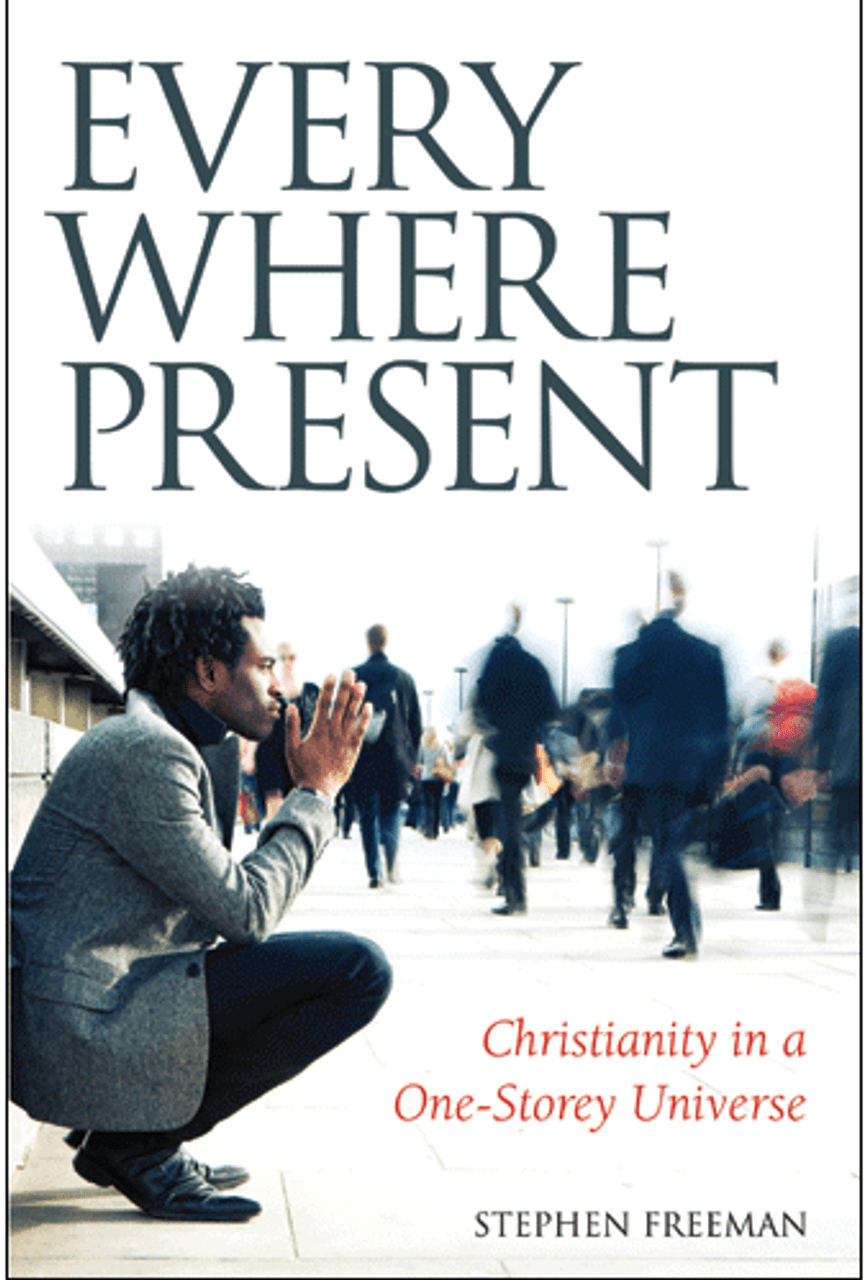
Read my books

Listen to my podcast
Please Read
Categories
Archives
Thank you for your words, Simon. I believe they shed light on what many may feel but are unable to…