-
Pay Attention! See What You See!
Read more: Pay Attention! See What You See!It has been said that the whole of Orthodox theology and teaching can be found in a single, well-executed icon. I believe it to be true. Over the years, I have found that certain icons have been invaluable in efforts to teach a class of inquirers or catechumens about certain aspects of the faith. Those “certain aspects” could easily be expanded until, time permitting, the whole of the faith would be expounded. I daresay that some evenings in such classes, the students probably thought that time was permitting. My thoughts turn to this understanding each year as we approach…
-
A Fast of Righteousness
Read more: A Fast of RighteousnessI am often puzzled by the things theologians say about “righteousness.” First, there are a striking number of different treatments. That alone should tell anyone that we are standing on the ground of “theory” rather than knowledge when we hear pronouncements about the word. It is, of course, an important word. “Seek first the Kingdom of God and its righteousness…,” Christ commands in the Sermon on the Mount. I think I know what that means to a Lutheran or an Evangelical. I know what it means to NT Wright. But, none of what I see in them really makes a…
-
The Journey Towards Love
Read more: The Journey Towards LoveSt. Porphyrios of Kafsokalyvia treasured the following quote from the writings of St. Symeon the New Theologian. He had it printed and handed out to his visitors. We should look upon all the faithful as one person and consider that Christ is in each one of them. We should have such love for them that we are ready to sacrifice our very lives for them. For it is incumbent upon us neither to say, nor think of any person as evil, but we must look upon everyone as good. If you see a brother afflicted with a passion, do not…
-
Forgive Everyone for Everything
Read more: Forgive Everyone for EverythingIn Dostoevsky’s great last work, The Brothers Karamazov, the story is told of Markel, brother of the Elder Zossima. Diagnosed with tuberculosis, he is dying. In those last days he came to a renewed faith in God and a truly profound understanding of forgiveness. In a conversation with his mother she wonders how he can possibly be so joyful in so serious a stage of his illness. His response is illustrative of the heart of the Orthodox Christian life. ‘Mama,’ he replied to her, ‘do not weep, life is paradise, and we are all in paradise, but we don’t want to…
-
Prayers for the Dead
Read more: Prayers for the DeadThe Orthodox pray for the departed. The most pressing prayer within the liturgies appointed for this purpose is for God to forgive their sins. We say, “For no one lives and does not sin, for You only are without sin….” This is easily misunderstood, but it goes to the very heart of the mystery of our relationship with God. The same sentiment, interestingly, is offered in the prayers for the living. The priest says: Again we pray for mercy, life, peace, health, salvation, and visitation for the servants of God [especially ______], and for the pardon and remission of their…
-
Eating Your Way to Paradise
Read more: Eating Your Way to ParadiseIt is interesting that the story of mankind’s first sin involved eating. We didn’t eat too much, only the wrong thing in the wrong way. But as sins go, it seems rather mundane. Murder is more dramatic (that was a second generation sin). Betrayal makes for a better novel. But there it was – we ate our way to perdition. It’s not widely known, but you can eat your way to paradise as well, at least, in a manner of speaking. In Classical Christianity it’s called “asceticism.” The word is derived from the Greek for “exercise.” It refers to fasting…
-
A Particular Brilliance
Read more: A Particular Brilliance“When I consider Your heavens, the work of Your fingers, The moon and the stars, which You have ordained, What is man that You are mindful of him, And the son of man that You visit him? For You have made him a little lower than the angels, And You have crowned him with glory and honor. (Psalm 8:3–9 NKJV) This is a beautiful and familiar Psalm. I offer a snippet from another translation (NRSV) to consider as well: When I look at your heavens, the work of your fingers, the moon and the stars that you have established; what…
-
Wrestling with God
Read more: Wrestling with GodOne of the most interesting stories in the Old Testament is found in Genesis 32. There we hear the story of Jacob wrestling with God. Or is it the story of Jacob wrestling with an angel? Jacob had to face his brother Esau the next day. His anxiety comes through even in that ancient account. The text says that Jacob wrestled “with a Man.” But this is not the end of the matter. They wrestle throughout the night. Jacob has a grip on the Man and refuses to release him. “I will not let you go until you bless me!”…
-
The Scriptures and the Church
Read more: The Scriptures and the ChurchThe notion of the “Scriptures” has undergone radical changes across the centuries. Today, we picture them as a single book, the Bible. Indeed, we picture that book as private property, perhaps a personal guide for all things spiritual. Even when we hear its words being quoted in public or in Church gatherings, we imagine the readings as something bound-up in this private mode. More than that, the text of the Scriptures is frequently reduced to ideas, as propositions to be weighed and considered. All of this is largely foreign to the Scriptures in their original form. The Scriptures are “Scripture,”…
Subscribe to blog via email
Support the work
Your generous support for Glory to God for All Things will help maintain and expand the work of Fr. Stephen. This ministry continues to grow and your help is important. Thank you for your prayers and encouragement!
Latest Comments
May God always pat you on the shoulder!
Amen!
In the Protestant West horrible abuses of power have produced a sense of democratization. This is typical of people who…
Matthew, I have no doubt that there are truly reverent Christians among both Protestants and Catholics. Furthermore, not everyone who…


Read my books

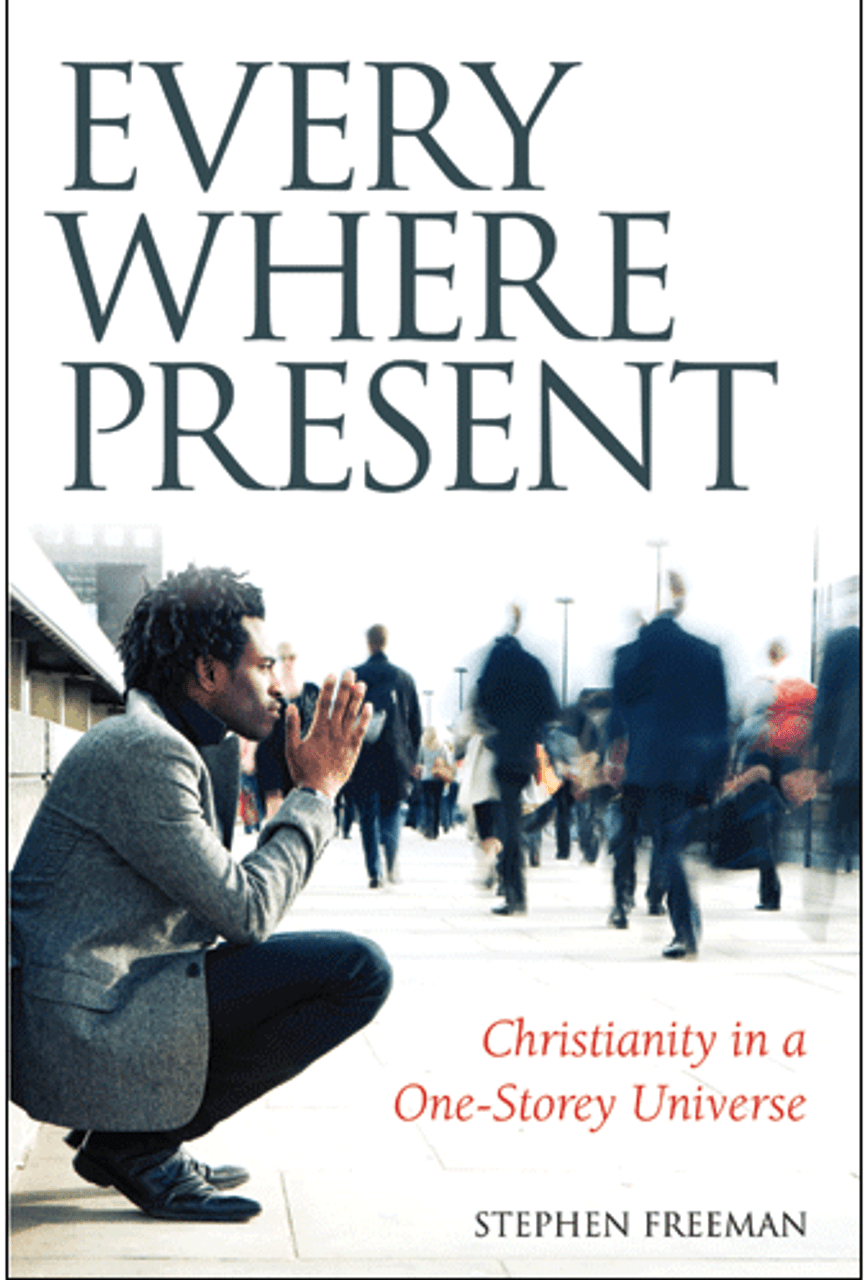
Listen to my podcast
Please Read
Categories
Archives
Thank you for your words, Simon. I believe they shed light on what many may feel but are unable to…