Adam’s Sin and the Sin of All

I saw this quote from St. Sophrony of Essex posted on Facebook yesterday. It speaks to the heart of our life and the mystery of sin and forgiveness. It is a theme that is common in the Fathers:

“Many of us cannot, or do not want to, accept and suffer of our own free will the consequences of Adam’s original sin. ‘Adam and Eve ate of the forbidden fruit but what has that to do with me?’ we protest. ‘I am ready to answer for my own sins but certainly not for the sins of others.’

And we do not realise that in reacting thus we are repeating in ourselves the sin of our forefather Adam, making it our own personal sin, leading to our own personal fall. Adam denied responsibility, laying all the blame on Eve and on God Who had given him this wife; and by so doing he destroyed the unity of Man and his communion with God. So, each time we refuse to take on ourselves the blame for our common evil, for the actions of our neighbour, we are repeating the same sin and likewise shattering the unity of Man.

The Lord questioned Adam before Eve, and we must suppose that if Adam, instead of justifying himself, had taken upon his shoulders the responsibility for their joint sin, the destinies of the world might have been different, just as they will alter now if we in our day assume the burden of the transgressions of our fellow man.”

Adam’s sin is not a legal problem. Adam is legally correct: “Eve did it first and then gave it to me to eat.” The sordid nightmare of human sin can be broken into its discreet, individual components. But this takes us into the very depths of the problem: we do not love one another. Adam had not seen Eve as a legal gift when God presented her to him. “This now is bone of my bone and flesh of my flesh!” he cried when he first saw her. That is the heart of love. But where is love when Adam stands before God beholding his own sin?

The season of Great Lent is a call to true repentance. It is not an entanglement in our private wrong-doings and failures – it is a movement towards the truth of our existence, the fullness of the “whole Adam” (as St. Silouan often called it). Our fragmentation and disintegration into our private worlds is a contradiction of God’s intention for human well-being. Just as the Trinity is One God in Three Persons, so we are One humanity in a multiplicity of persons. The fullness of our existence is never found within ourselves, but within the mutual indwelling of each in all and all in each. St. Silouan said, “My brother is my life.”

Christ did not separate Himself from us when He became what we are. And so, St. Paul says to us:

“…we implore you on Christ’s behalf, be reconciled to God. For He made Him who knew no sin to be sin for us, that we might become the righteousness of God in Him.” (2 Cor. 5:20–21)

In Dostoevsky’s, The Brothers Karamazov, the Elder Zossima serves as a representative of the Orthodox spiritual tradition. He tells the story of his older brother, Markel, who died young. As he came to accept his death, he was reconciled to God and had a profound understanding of the common life of all. We have this wonderful passage:

The windows of his room looked onto the garden, and our garden was very shady, with old trees, the spring buds were already swelling on the branches, the early birds arrived, chattering, singing through his windows. And suddenly, looking at them and admiring them, he began to ask their forgiveness, too: “Birds of God, joyful birds, you, too, must forgive me, because I have also sinned before you.” None of us could understand it then, but he was weeping with joy: “Yes,” he said, “there was so much of God’s glory around me: birds, trees, meadows, sky, and I alone lived in shame, I alone dishonored everything, and did not notice the beauty and glory of it at all.” “You take too many sins upon yourself,” mother used to weep. “Dear mother, my joy, I am weeping from gladness, not from grief; I want to be guilty before them, only I cannot explain it to you, for I do not even know how to love them. Let me be sinful before everyone, but so that everyone will forgive me, and that is paradise. Am I not in paradise now?”

Forgive everyone for everything and share the burden of the sins of all. If we come to know that we are truly forgiven – we will be in paradise.

Why be anywhere else?
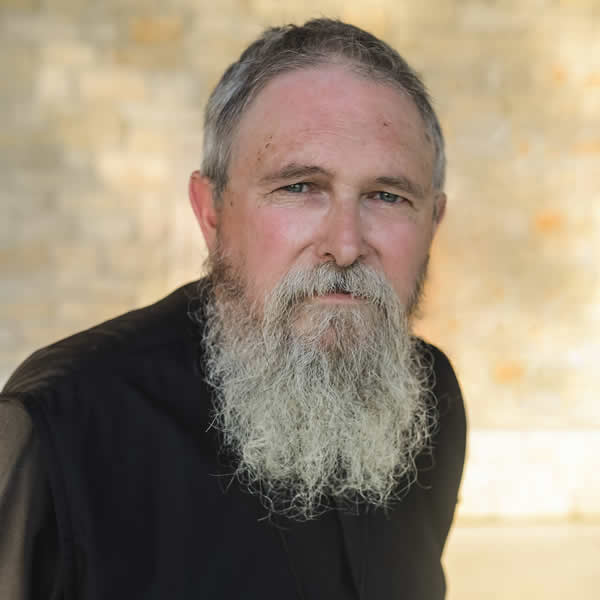
About Fr. Stephen Freeman

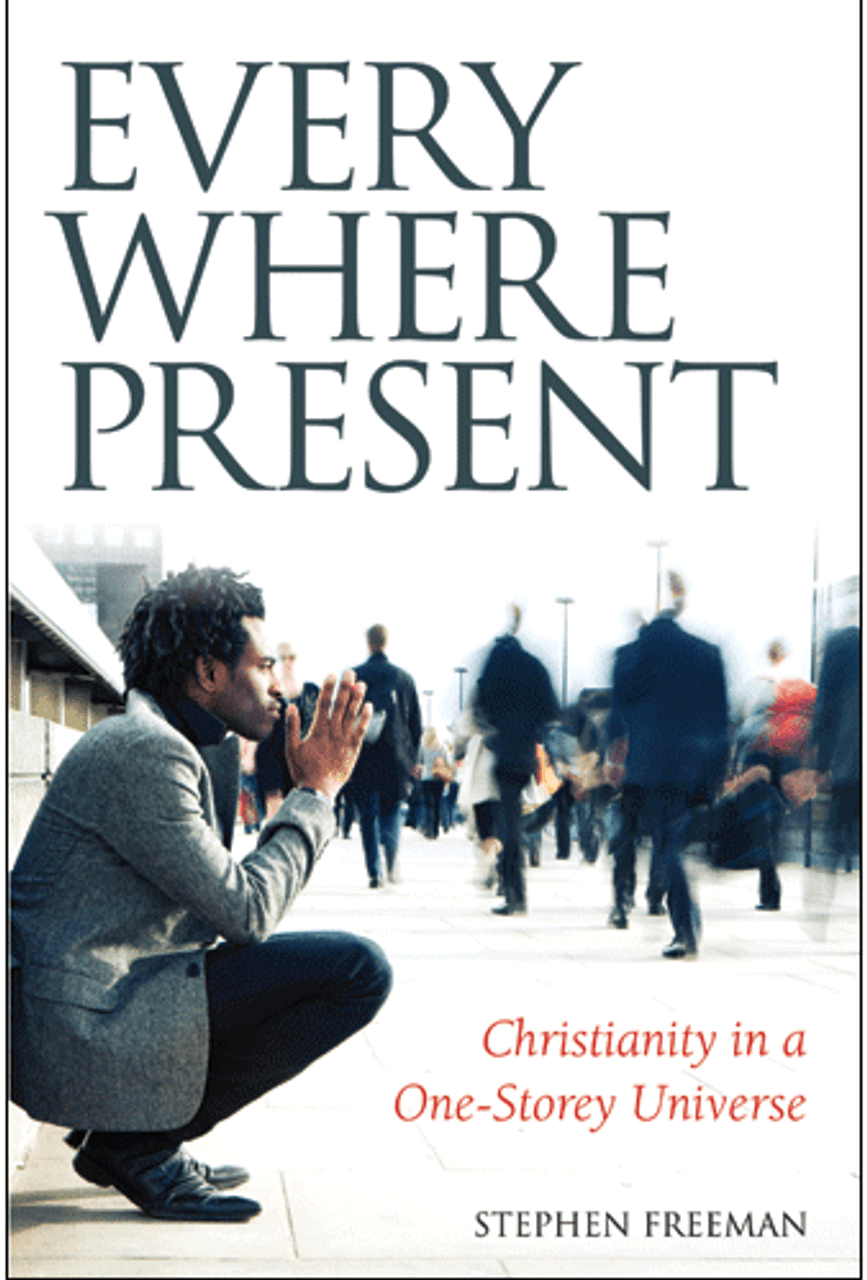
Fr. Stephen is a retired Archpriest of the Orthodox Church in America. He is also author of Everywhere Present: Christianity in a One-Storey Universe, and Face to Face: Knowing God Beyond Our Shame, as well as the Glory to God podcast series on Ancient Faith Radio.


Posted

in

,

by

Comments

18 responses to “Adam’s Sin and the Sin of All”

  1. Simon Avatar
    Simon

    In the post Hiding in Plain Site you write that “All of us stand falsely accused” and you refer to two cases where monks had been accused of different offenses and bore burden of the guilt willingly. In principle, I get it. Christ bore the consequences of guilt that was not his own. We may be called to do the same in the lives we are given.

    On the one hand, there are clear limitations. There are accusations that deserve resisting.

    Several thoughts strike me. First, on a personal note, I am in the process of adjusting to the unintended consequences of my own decisions. No point in judging the decisions as good or bad or otherwise. Here I am in this predicament and that’s just where I live right now. I am learning to accept my present predicament as my new given and learn to live as an Orthodox man in what is to me very trying circumstances. BUT, the big difference is that I actually created this mess. Whether the scope of the mess was intended or not this is beside the point, this is my life now. I have to bear this life before God. That means forgiving everyone for everything and sharing the burden of the sins of everyone involved.

    Second, in principle I think there is something that consummates the Cross is a person’s life that comes from accepting the burden of guilt that we did not create or commit, willingly bearing the weight of it without bitterness, resentment, or contempt. This is where forgiveness and accepting the burdens of the many come in. Elder Zossima was not acting out of sentiment or theatrical spiritual heroism. I believe that Dostoevsky understood something deep that he gave voice to through Zossima. I think I glimpse it but it is difficult to put your finger on.

    Third, the whole effort seems like a recipe for disaster if a person isn’t really ready or prepared in terms of who they are. Any thoughts about how you get from making one mess worse by trying to bear burdens that you cannot realistically to genuinely embodying an Elder Zossima level insight? I imagine it is bearing smaller burdens and larger burdens as you are capable.

  2. Fr. Stephen Avatar

    Simon,
    I think working with smaller burdens, with the “burden at hand” is the only way forward…also knowing that, regardless of who made what decision, understanding that you are not bearing the burden alone. Christ bears it with us, in us, as do the saints. Interestingly, historical evidence points to a prayer that was used even earlier than the Jesus Prayer by the desert monastics: “O God, make haste to help us!”

    I think of people I’ve known who are working through recovery from addictions. Slogans like “a day at a time,” and “easy does it,” come from that reality. Often, the mess that addictions can create is simply overwhelming. No one could do it all at once.

  3. Cindy Avatar
    Cindy

    Absolutely beautiful. Thank you
    And what is the icon? I have never seen that one

  4. Fr. Stephen Avatar

    Cindy,
    It’s a painting by Viktor Vasnetsov, a Russian artist of the 19th to early 20th century.

  5. anna sen Avatar
    anna sen

    Thank you so much for this .
    💎

  6. Dee of Sts Herman and Olga Avatar
    Dee of Sts Herman and Olga

    Father,
    I suffer from my sins and the sins of others. With the grace of forgiveness in my heart I pray to love at least a little those who sin against me. We Orthodox are taught not to avoid our suffering (opposed to what is offered in eastern religions), but to embrace God who meets us in our suffering. And to do that we forgive and ask for forgiveness, and God willing, to love.

    Such a life, if we are given this grace, is indeed paradise as you say. For me, remembering my sins and having forgiveness in my heart is a gift that brings tears. Although such paradise doesn’t last long as I fail again, one way or another.

    And when I fail again, all that I can do is remember Christ and express gratitude for His love, His forgiving mercy and patience.

  7. Matthew Avatar
    Matthew

    Secular folks like to talk a lot about the need for healthy borders in one´s life. How do we balance the need to protect ourselves from advantage taking and unjust accusations while at the same time embracing a posture of openness even to the point of bearing the burden of sins we didn´t commit ourselves?

    Are we really, as a human community, all guilty? If yes, then I see no healthy borders existing in my life at all.

  8. Fr. Stephen Avatar

    Matthew,
    It’s not exactly an either/or. We share a common life – we participate (even mystically) in the sins of others. So that it’s never “just all them.” We all have some part in the sins of others – by neglect, by whatever. But, neither are we without boundaries. Who I am as a person has its unique responsibility (as do others).

    Healthy boundaries need to be learned. Only love can reveal them…and we work with them. Frankly, many of us are quite wounded in this aspect of our lives and we frequently get it wrong. To this, we work at getting wiser, and we call out to God for help. He is merciful and hears our prayers.

  9. Matthew Avatar
    Matthew

    Thanks Fr. Stephen. It is sometimes very unclear how much to be available and vulnerable and how much to protect and defend.

  10. Janine Avatar
    Janine

    This might sound silly but I have found one way of “bearing another’s burden” is to refrain from gossip. What I mean is that if one hears or knows something to be true that is not nice about another person’s behavior or action, even if it was hurtful, to gossip about it — so I have found from painful experience — can have terrible effects. Sometimes perhaps criminal behavior would require a particular response which is responsible to the right authority so that people are warned. But refraining from talking about such things (say within a Church flock) is one way to take it to prayer instead. If necessary, take it to confession.

    It might seem trite to others, but for me it’s a kind of discretion that I have found necessary. Gossip — no matter how true — always comes back to hurt one way or another, at least in my experience.

  11. Dee of Sts Herman and Olga Avatar
    Dee of Sts Herman and Olga

    Indeed Mathew, the way is narrow.

  12. Dee of Sts Herman and Olga Avatar
    Dee of Sts Herman and Olga

    Good words Janine! Thank you.

  13. Janine Avatar
    Janine

    Thank you Dee

  14. Matthew Avatar
    Matthew

    Thanks Dee

  15. Fr. Stephen Avatar

    Janine,
    God give us grace in all things!

  16. Janine Avatar
    Janine

    Amen, Father!!

  17. terence smith Avatar
    terence smith

    I find everything you write simply wonderful, have you considered a book of say 150 of your blog articles?
    i would love that for re reading and reflection

  18. Fr. Stephen Avatar

    Terence,
    I have. We (my wife and I) hope to be coming out with something this year.

Leave a Reply

Your email address will not be published. Required fields are marked *


Subscribe to blog via email

Support the work

Your generous support for Glory to God for All Things will help maintain and expand the work of Fr. Stephen. This ministry continues to grow and your help is important. Thank you for your prayers and encouragement!


Latest Comments


Read my books

Everywhere Present by Stephen Freeman

Listen to my podcast


Categories


Archives