
-
In the Depths of the Heart
Read more: In the Depths of the HeartFor many years I have had an image that I carry around with me – it is the notion that the world could be completely other than it appears if we had eyes to see it in some other way. I suspect it’s originally a science-fiction idea that got into my head but the idea also seems just theological enough that I’ve never been able to shake it. The notion gained strength when I once read in St. Theophan (the Recluse) that our guardian angels see us not as we see one another, but immediately see the state of our…
-
The Goodness of Being
Read more: The Goodness of BeingThe primary good is existence itself, for if someone does not exist, how can he make use of good things of any sort? And, whereas we all simply somehow exist, God is “the One Who Is,” that is, He is the One Who enjoys utter fullness of existence, the One Who is Being itself. God’s being has within itself its own cause or foundation. It is absolutely whole, individsible and unchangeable; it possesses everything simultaneously in a single perfect, all-encompassing unity. All of God’s attributes interprenetrate one another. Thus, for example, one cannot say that in God love is not…
-
For the Life of the World
Read more: For the Life of the WorldThe Orthodox Ministry, Come Receive the Life, has two podcast programs on the Sanctity of Life. The first is an interview with Khouria Frederica Mathewes-Green, the second is an interview with Rod Dreher of the Dallas Morning News, a relatively recent convert to Orthodoxy (I met him the week after his Chrismation), also on the topic of the Sanctity of Life. I commend both interviews to you.
-
It’s Really All About Being
Read more: It’s Really All About BeingI wasn’t sure how to title this post. One part of me wanted to say, “It’s really all ontological,” but that would lose half my readers in the maze of theological/philosophical vocabulary. I also thought about entitling it, “It’s not what you do but what you are,” and that might have been better than what I chose. My podcast this weekend on Ancient Faith Radio will also touch on this same subject. And the subject is this: the moral life is not about the moral life – it’s really about a matter of life or death. This is the great…
-
Philotimo – Responsive Gratefulness
Read more: Philotimo – Responsive GratefulnessAs noted in my preceding post, I was introduced to this word through reading about the Elder Paisios of the Holy Mountain who used it quite frequently in his teaching. The following short article appears on OrthodoxWiki, the online Orthodox encylopedia. It is a worthy read on an important virtue as taught by the Church. May God, by His grace, increase such virtue in us all! The virtue of philotimo is commonly emphasized in Greek Orthodox Christianity. It follows in line with two other important words; ethos (demeanor, manner) and phronema (mind-set, attitude/disposition). Philotimo is the humble, dignified and respectful way people interact…
-
Responsive Gratefulness, Miracles and Love – the Elder Paisios
Read more: Responsive Gratefulness, Miracles and Love – the Elder PaisiosResponsive gratefulness (translating the Greek philotimo) is a very strong theme in the teachings of the Elder Paisios of the Holy Mountain. The following is taken from the book Elder Paisios of the Holy Mountain. Elder Paisios stressed that our acts are worthwhile only if they are done out of a grateful predisposition. He always urged us not to struggle out of self interest, but rather out of responsive gratefulness. Even our faith in God, should be based on our gratefulness. He used to say: The person who asks for miracles, in order to believe in God, lacks dignity. God,…
-
The Love of God and the Gospel of Christ
Read more: The Love of God and the Gospel of ChristI believe that the love of our enemies is utterly essential to the love of God. If we do not love our enemies, we will not know God, nor rightly love Him. Indeed, I believe that we only know God to the extent that we love our enemies. If anything, this points to the utter necessity of grace – for how else will we ever love our enemies? On the other hand, I believe that embracing an interpretation of Scripture in which God’s wrath is seen as literally true, not only undercuts other statements in Scripture concerning God’s love, but also the consensus of…
-
St. Gregory the Theologian on our Ransom by God
Read more: St. Gregory the Theologian on our Ransom by GodOne of the greatest orators of his age, St. Gregory the Theologian (also known as Gregory Nazianzus), is considered among the most central of Church fathers. His work, and that of St. Basil the Great, did much to win the day for the Nicene Creed (by God’s grace) and to secure its completion at the first Council of Constantinople, where the Creed received its final and present form. He is not as easy to read for moderns as Augustine or some of the Latin Fathers. But is well worth the read. Below is a portion from his Second Paschal Oration…
-
Justice and Mercy – With Thanks to the Pontificator
Read more: Justice and Mercy – With Thanks to the PontificatorFr. Al Kimel has recently posted an article (The Injustice of Grace) on the triumph of God’s mercy that is well worth reading. The following is an excerpt in which he quotes passages from St. Isaac the Syrian and St. Antony the Great: The seventh century ascetical master, St. Isaac the Syrian, boldly challenged the portrayal of God as one who rewards the virtuous and punishes the wicked: Do not call God just, for His justice is not manifest in the things concerning you. And if David calls Him just and upright, His Son revealed to us that He is good…
-
Further Notes on a Common Faith – Newman
Read more: Further Notes on a Common Faith – NewmanIn my recent post on a Common Faith, I offered a concatenation of quotes from the Fathers, East and West, on the doctrine of salvation as union with God (divinization or theosis). It included as well, both Luther and Calvin. I commented at the time that with some little research surely we could add Newman to that number. Considering that he was one of the 19th century’s greatest scholars on St. Athanasius, I knew I was right. Today I offer fruit of my small search: It would seem, moreover, as I have said, that [Christ’] has done so by ascending…
Subscribe to blog via email
Support the work
Your generous support for Glory to God for All Things will help maintain and expand the work of Fr. Stephen. This ministry continues to grow and your help is important. Thank you for your prayers and encouragement!
Latest Comments
Thank you for this article and for your comments and responses to the questions and comments flowing from the article.…
Yes, indeed! Orthodoxy tends not to issue doctrinal statements when nothing is required (as in a Creed). Rather, its faith…
So it’s the inversion and redifining of worldly power to the true power in the kingdom of God that was…
What I appreciate so much from having been exposed to Orthodoxy and your words, Fr, is the centrality of the…


Read my books

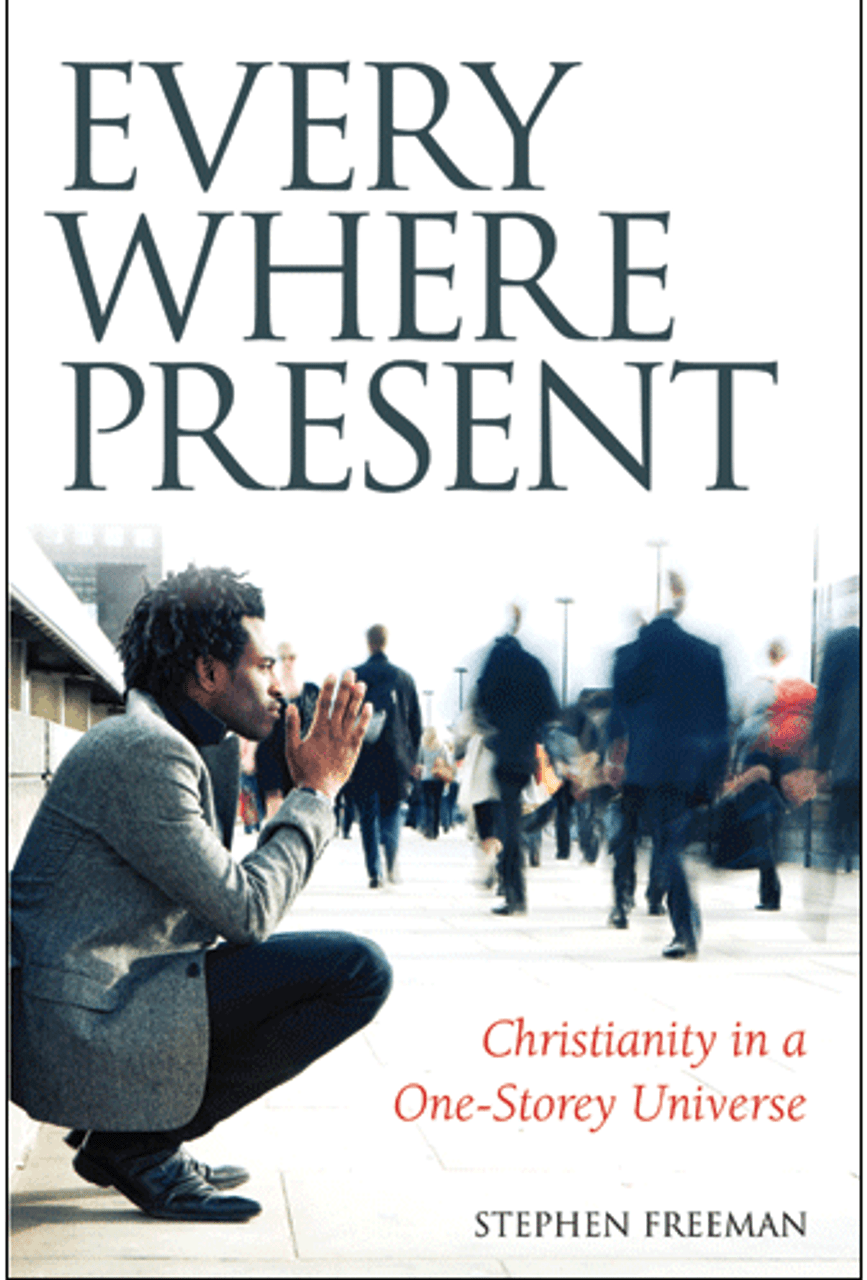
Listen to my podcast
Please Read
Categories
Archives
Margaret, I sincerely mean it when I say that it is difficult. The difficulty especially comes when we want or…