-
St. Silouan on the Love of God
Read more: St. Silouan on the Love of GodI cannot remain silent concerning the people, whom I love so greatly that I must weep for them. I cannot remain silent because my soul ever grieves for the people of God, and I pray for them with tears. I cannot refrain from making known to you, brethren, the mercy of God and the wiles of the enemy. Forty years have gone by since the grace of the Holy Spirit taught me to love mankind and every created thing, and revealed unto me the wiles of the enemy, who works his evil in the world by means of deceit. Love…
-
When America Got Sick
Read more: When America Got SickIt was in the years following the Civil War, America was hard on the path to “becoming great.” The industrial revolution had moved into full swing, railroads criss-crossed the country, immigration was gaining speed, and wealth was accumulating at a rate never seen before. We were slowly moving from our original agrarian economy towards life as an industrial nation. The middle-class was growing, education was increasing, and the life of management was the aspiration of many. We were also getting sick in new ways. In 1868, the first article on the term neurasthenia was published. Though the word had been…
-
Stumbling Toward Salvation
Read more: Stumbling Toward SalvationOn occasion I have written on topics that seem to scandalize readers, or certainly cause difficulty for many. Some of those topics have been articles on the wrath of God; the radical forgiveness of everyone for everything; the commonality of our life and our salvation; and various posts on giving thanks always for all things (there are others as well). I am not intentionally contrarian – I do not write in order to create any sensation (sort of). But I have a heart-felt instinct about the path of salvation and the part played by skandalon (a cause of stumbling). Behold, I lay…
-
Knocking Down the Gates of Hell
Read more: Knocking Down the Gates of HellThe Swedish Lutheran theologian, Gustav Aulén, published a seminal work on the types of atonement theory in 1930 (Christus Victor). Though time and critical studies have suggested many subtler treatments of the question, no one has really improved on his insight. Especially valuable was his description of the “Classic View” of the atonement. This imagery, very dominant in the writings of the early Fathers and in the liturgical life of the Eastern Church, focused on the atonement as an act of invasion, the smashing of gates and bonds, and the setting free of those bound in hell. Aulén clearly preferred…
-
Prayers for a Dear Friend of Us All
Read more: Prayers for a Dear Friend of Us AllI spoke by phone this morning with Michael Bauman, for years a faithful part of our conversations on the blog. He shared with me that he is now in home hospice care (in Wichita) and has been given a terminal diagnosis. His faith is truly evident in his conversations, even as those present their own struggles. I was struck particularly by his “joy” which he says seems to persists beneath everything. This is a gift from God. Please keep him in your prayers and remember his wife, Merry. May God grant him paradise and a place with the saints. I…
-
The Tradition of Being Human
Read more: The Tradition of Being HumanBeing human is a cultural event. No one is human by themselves and no one becomes human without the help of those around them. This is so obvious it should not need to be stated, but contemporary human beings often imagine themselves to be their own creation. The exercise of individual freedom is exalted as the defining characteristic of our existence: “I am what I choose to be.” To suggest that most of who and what we are is beyond the realm of choice would seem to be a heresy, an insult to the modern project. The primary mode of…
-
St. Melito and Pascha – Hell Is Not the Last Word
Read more: St. Melito and Pascha – Hell Is Not the Last WordAmong the most powerful meditations on Pascha are the writings of Melito of Sardis (ca. 190 AD). His homily, On Pascha, is both a work of genius as poetry and a powerful work of theology. Its subject is the Lord’s Pascha – particularly as an interpretation of the Old Testament. It is a common example of early Church thought on Scripture and the Lord’s Pascha. I offer a short verse, a meditation reflecting on the first-born of Egypt, who die in the Old Testament Pascha. He speaks of the darkness of death, and the grasping of Hades: If anyone grasped…
-
Good Friday and the Irony of Believing
Read more: Good Friday and the Irony of BelievingIrony is probably too much to ask of youth. If I can remember myself in my college years, the most I could muster was sarcasm. Irony required more insight. There is a deep need for the appreciation of irony to sustain a Christian life. Our world is filled with contradiction. Hypocrisy is ever present even within our own heart. The failures of Church and those who are most closely associated with it can easily crush the hearts of the young and break the hearts of those who are older. I can think of at least two times in my life…
Subscribe to blog via email
Support the work
Your generous support for Glory to God for All Things will help maintain and expand the work of Fr. Stephen. This ministry continues to grow and your help is important. Thank you for your prayers and encouragement!
Latest Comments
May God always pat you on the shoulder!
Amen!
In the Protestant West horrible abuses of power have produced a sense of democratization. This is typical of people who…
Matthew, I have no doubt that there are truly reverent Christians among both Protestants and Catholics. Furthermore, not everyone who…


Read my books

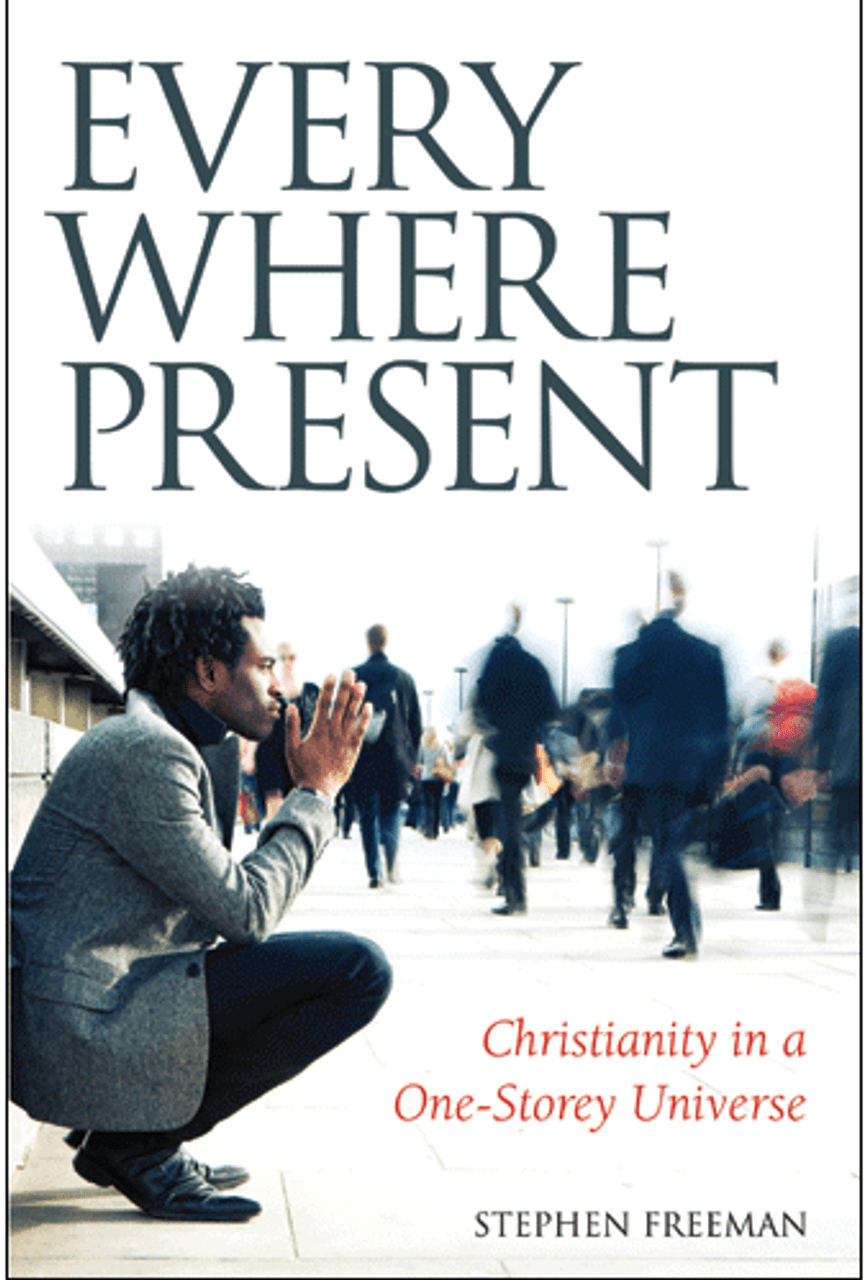
Listen to my podcast
Please Read
Categories
Archives
Thank you for your words, Simon. I believe they shed light on what many may feel but are unable to…